Easter Dragon Font for Modern Web Design
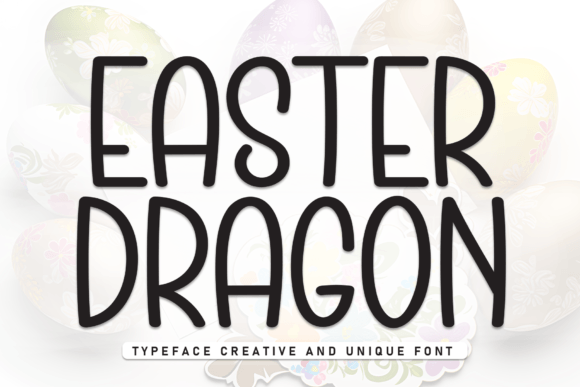
I was recently working on a landing page for a boutique lifestyle brand when I realized the standard geometric Sans Serif options felt too cold for the client’s vision. The brand needed warmth, approachability, and a touch of whimsy without sacrificing digital clarity. That is when I started testing Easter Dragon, a typeface that immediately changed the tone of the entire layout. As one of those versatile Fonts that bridge the gap between playful and professional, it offered a unique solution for headers that needed to feel inviting rather than corporate.
Using Easter Dragon for Wedding Invitations and Elegant Branding
When you are Introducing a charmingly sans-serif font that exudes sweetness and friendliness in every curve and line, the immediate application that comes to mind is event stationery. While my primary focus is web design, the principles of typography remain consistent across print and digital media. Easter Dragon is Perfectly suited for crafting heartwarming wedding invitations, delightful cards, or any design that relies on emotional connection. In a web context, this translates beautifully to engagement pages, RSVP forms, or dedicated microsites for weddings and special events.
The visual personality of this Sans Serif is distinct. It lacks the sharp, aggressive terminals of traditional industrial fonts. Instead, the strokes are soft, creating a sense of safety and joy. For a digital product creator, this means you can use Easter Dragon in hero sections where the goal is to lower the user’s guard and invite them in. It works exceptionally well for brands that sell experiences rather than just products, such as travel planners, event coordinators, or artisanal gift shops. The font does the heavy lifting of establishing trust through its inherent friendliness.
Designing Delightful Cards with Friendly Sans Serif Fonts
Beyond large-scale branding, Easter Dragon shines in smaller, more intimate digital interactions. Think of the "Thank You" pages after a purchase, the header of a newsletter, or the text on a digital gift card. These are moments where Introducing a charmingly sans-serif font that exudes sweetness and friendliness in every curve and line can significantly impact user sentiment. When a customer completes a transaction, seeing a warm, rounded typeface reinforces the positive feeling of the purchase.
This Sans Serif is Perfectly suited for crafting heartwarming wedding invitations, delightful cards, or any design element that requires a personal touch. In UI design, we often overlook the emotional weight of microcopy. By using Easter Dragon for short phrases like "You’re all set!" or "Welcome home," you transform a functional message into a brand moment. It is important to note that while it is decorative, it remains legible. This balance is rare among display Fonts, making it a reliable choice for designers who want character without compromising usability.
Creating Any Design Layout with Versatile Typeface Choices
The true test of any typeface is its versatility across different layouts. Easter Dragon proves that a font can be niche yet flexible. Whether you are building a coaching website, a portfolio homepage, or a course sales page, this typeface adapts. It is Perfectly suited for crafting heartwarming wedding invitations, delightful cards, or any design project that benefits from a human-centric aesthetic. I found it particularly effective when used as a display font for section headings on long-scrolling landing pages.
When pairing Easter Dragon with body copy, the contrast is key. Since it is a Sans Serif with strong personality, it pairs best with a neutral, highly readable sans serif for paragraph text. This ensures that the hierarchy is clear: the headline grabs attention with charm, and the body text delivers information with clarity. Avoid pairing it with another decorative font, as this can create visual noise. Instead, let Easter Dragon be the star of the show. Its curves and lines guide the eye naturally, making it an excellent tool for directing user flow in complex layouts.
Readability and Performance in Digital Brand Kits
For web designers, readability is non-negotiable. Easter Dragon maintains excellent legibility at larger sizes, making it ideal for H1 and H2 tags. However, when using it for smaller elements, such as navigation menus or button text, careful testing is required. The friendly curves that define its character can become less distinct at very small pixel sizes. I recommend using it primarily for headlines, logos, and short call-to-action buttons where the text size can remain generous.
In terms of technical performance, most modern Fonts are optimized for web use, but always check the file formats. Ensure you have WOFF2 files for faster loading times, which is crucial for maintaining good Core Web Vitals scores. A slow-loading font can negate the aesthetic benefits of a beautiful typeface. When implementing Easter Dragon, consider using font-display swap to ensure text remains visible during loading. This practical approach ensures that the sweetness and friendliness of the design are not lost to technical delays.
Enhancing User Engagement with Sweet Typography
Ultimately, the choice of typography influences how users perceive a brand. Easter Dragon offers a way to break away from the sterile uniformity of standard web fonts. By Introducing a charmingly sans-serif font that exudes sweetness and friendliness in every curve and line, you signal to your audience that your brand is approachable and caring. This is Perfectly suited for crafting heartwarming wedding invitations, delightful cards, or any design where emotional resonance is the primary goal.
Whether you are a UI designer working on a mobile app or a marketer creating social media graphics, Easter Dragon provides a fresh alternative. It stands out in a crowded digital landscape by offering genuine warmth. For those looking to elevate their brand identity with a typeface that feels both modern and heartfelt, this Sans Serif is a compelling option. It reminds us that in digital design, functionality and emotion can coexist beautifully, creating experiences that users not only understand but also enjoy.